
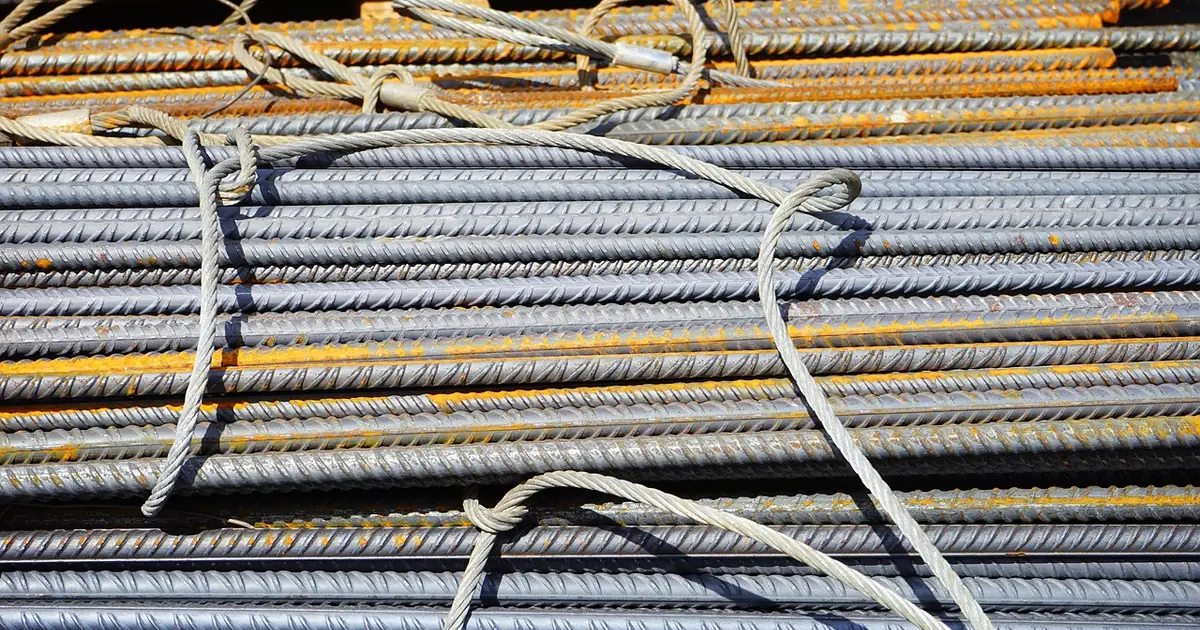
Steel angle sections

What Is Angle Iron (L Profile)?

One of the most basic profiles in steel construction. How do you choose size and grade?

Steel Product Guide 3 min read

An angle is a hot-rolled steel section with an L cross-section; its two legs stand at right angles to one another. It is used in steel construction as a connection, corner and reinforcing member.

It comes in two main forms, equal-leg and unequal-leg; the choice follows the direction the load comes from and the geometry of the connection.

Technical specifications

Angle — stock and supply range
Equal leg20×20×3 – 200×200×20 mm
Unequal leg30×20×3 – 200×100×12 mm
GradeS235JR, S275JR
StandardEN 10056
Length6,000 / 12,000 mm
UseStructural work, towers, racking

Equal leg or unequal leg?

An equal-leg angle is a symmetrical section; it is used where the load comes similarly from both directions. Racking systems, lattice structures and general connections are its typical field.

An unequal-leg angle is preferred where more strength is needed in one direction; it is often seen in beam connection details.

Choosing the grade

S235JR is a general structural steel and is sufficient for most work. S275JR offers a higher yield strength and is preferred in load-intensive structures.

The choice of grade belongs to the structural calculation for the project. Weldability and impact toughness also enter the calculation.

Where it is used

  • Connection and corner members in steel structures
  • Racking and warehouse systems
  • Towers, masts and lattice structures
  • Machine bodies and chassis reinforcements
Frequently Asked Questions

Questions About This Page

What is the difference between an angle and a flat bar?

An angle has an L cross-section and gives strength in two directions; a flat bar has a plain rectangular section and is generally used as a connection or reinforcing member.

What lengths do angles come in?

6,000 and 12,000 mm are the standard lengths.

Is galvanised angle available?

For work that will stay outdoors, galvanised solutions are preferred. Tell us what you need and we will settle on a suitable alternative together.

When do I need an unequal angle instead of an equal angle?

An unequal angle is needed where the load clearly acts in one direction and a longer leg on that side does the work. An equal angle is enough for frames and general fabrication where both directions are loaded similarly. Leg sizes follow the connection detail in the project; if you do not have that detail, describe where the part will be used and we will settle the section together.

How is an angle size written on an order?

An angle size is written as L followed by leg × leg × thickness, with the length stated separately. On an equal angle the first two figures are the same; on an unequal angle the longer leg is written first. Add the steel grade and the quantity or tonnage you need and the quotation can be issued in a single round.

Who decides the steel grade for an angle, and what if the drawing does not state one?

The grade comes first from the structural calculation and the specification of the project; whatever is written there is binding. If the specification is silent, the choice is made on the type of load, whether the part will be welded and whether it will sit indoors or outdoors. When in doubt, have the design engineer confirm it; we share the grades and size ranges we can supply.

Can't find your question here? Warehouse Guide answers instantly on 23 topics — or write to us directly.

Do you need help with this?

Tell us about your cargo or your product requirement and we will talk through how what this article describes applies to your own case.