- info@kralantrepo.com
- 0555 996 30 16
- Dörtyol / Hatay
- Monday – Saturday 08:00 – 18:00

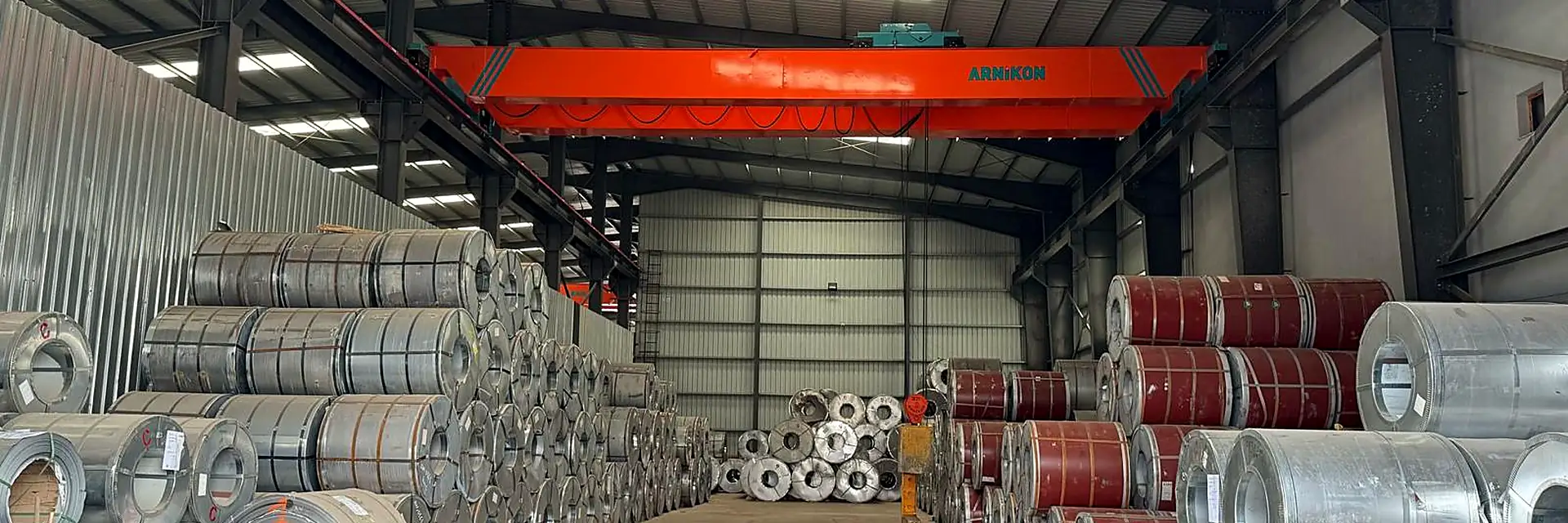
Duty-suspended storage under customs supervision. Goods may stay indefinitely; we manage them until import or transit formalities close.
A bonded warehouse is a place where imported goods are stored under customs supervision without customs duties being paid. While in the warehouse the goods are not in free circulation; the duty liability arises only when they are withdrawn and an import declaration is lodged. Kral Antrepo provides this service from a 1,400 m² covered facility in Dörtyol. Below we explain both how the warehousing procedure works and how we run it.
The warehousing procedure gives an importer three concrete freedoms. They come from the regulation itself, not from any operator's goodwill.
Under Turkish customs law warehouses are divided into public and private. Public warehouses (types A, B and F) may hold anyone's goods; private warehouses (types C, D and E) are only for the operator's own goods.
The crucial difference is liability. In a type A warehouse the operator keeps the stock records and is personally liable for the duty if a shortfall appears; in type B, liability rests largely with the owner of the goods and no stock record is kept. Asking which type an operator runs is the same as asking who will be liable if something goes missing.
There is no limit on how long goods may remain under the warehousing procedure. However, once a declaration is registered assigning the goods to another customs-approved treatment or use, the formalities must be completed within 30 days.
Goods whose formalities are not completed in that period — and goods not removed within any separately fixed period — are liquidated under Article 177 of the Customs Law. The ministry may set a separate limit for goods liable to deteriorate (Customs Regulation, Art. 389).
In practice this is the most common failure: a declaration is registered, the process then drags on because of financing or missing paperwork, and the 30-day window is missed. In our view tracking this is the operator's job — we record the registration date and alert both the customer and the customs broker before the deadline falls.
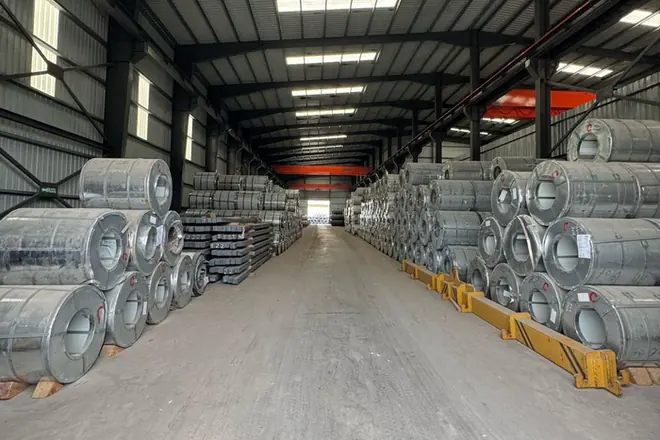
1.400 m²
Covered Warehouse Area
11+
Years in Business (since 2015)
30+
Experienced Staff
15
Steel Product Lines
4
Languages Served
From the Blog
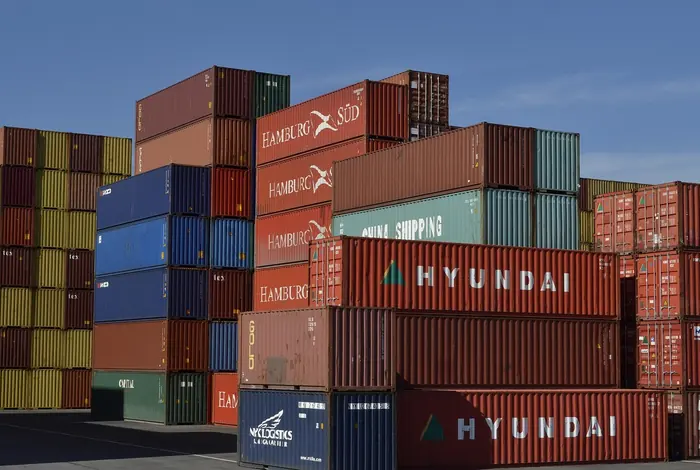 Warehousing and Customs
 Warehousing and Customs
 Warehousing and Customs
The formalities must be completed within 30 days. There is no time limit on staying under the warehousing procedure; however, once a declaration is registered for another customs procedure, that 30-day period starts to run (Customs Regulation art. 389).
It can; in cases such as perishable goods the administration may set a specific time limit. That is why it matters to tell us the type of your cargo from the outset — we see the deadline risk in advance and report it to you.
Yes; goods can change hands while in the warehouse. The buyer either withdraws and imports them or continues to hold them in the warehouse; in both cases the record and declaration regime runs through the customs administration.
It means you do not pay customs duty and VAT until you sell the goods. While in the warehouse the goods are not treated as in free circulation; the liability arises only when the import declaration is filed. On high-tonnage steel consignments this means working capital is not tied up for months.
The remaining goods stay in the warehouse; no new entry procedure is needed. At each withdrawal only the duty on the quantity withdrawn is paid, and the balance reconciliation is shared with your customs broker.
A bonded warehouse is a storage procedure under customs supervision, whereas a free zone is a geographic area subject to a separate customs and tax regime. No manufacturing takes place in a warehouse; in a free zone production and trade can be carried on together.
The goods are weighed, counted and the condition of the packaging is photographed. All three are entered in the inbound–outbound register; that record is the ground to stand on in any later dispute over damage.
Mainly the Türkiye–Syria–Iraq corridor; it is also used for cargo despatched to the Gulf states and Europe. That geographic spread is the reason we serve in four languages.
Tell us the type of your cargo and its customs status, and we will set out item by item what the warehousing procedure means for you.
This site uses analytics cookies only to understand visit statistics. They are not required; if you decline, the site works exactly the same.
If you consent, Google Analytics (GA4) is loaded; your IP address is anonymised and ad personalisation and Google Signals stay switched off. If you do not consent, no analytics cookie runs at all. Your preference is stored in your browser for one year. Cookie Policy