
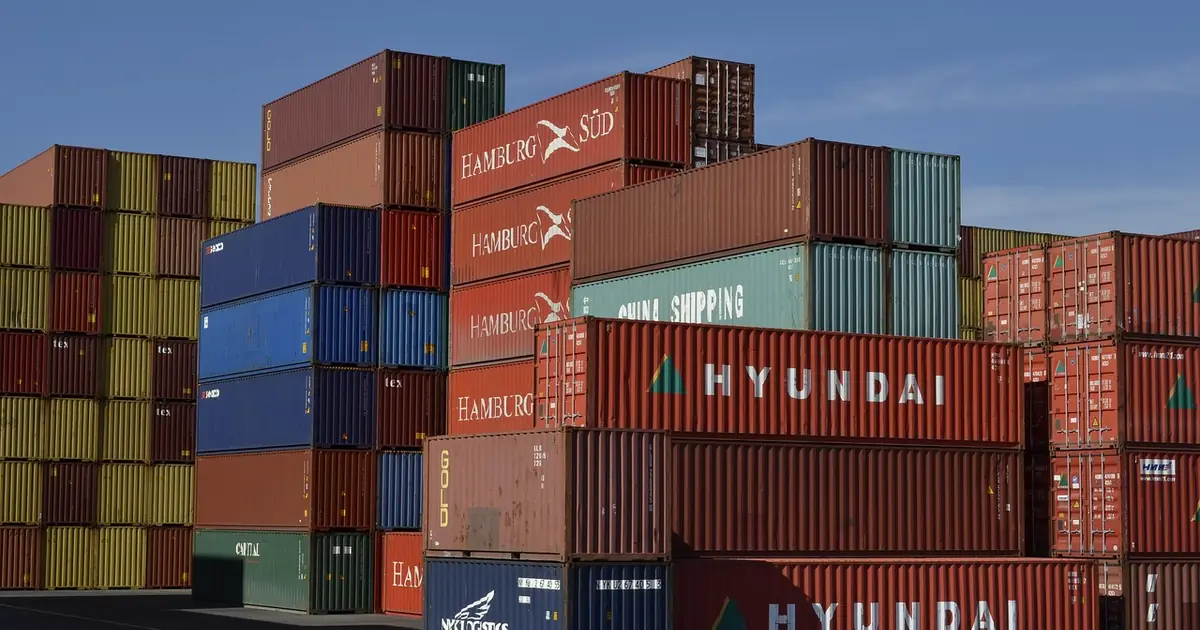
Containers awaiting customs inspection at the port

What Is a Bonded Warehouse?

A bonded warehouse is not a depot but a customs procedure. We explain the difference and what it gains you.

Warehousing and Customs 3 min read

A bonded warehouse is a place where imported goods are stored under the supervision and with the permission of the customs administration without customs duties being paid. The decisive word here is "supervision": the goods are physically in Türkiye but legally not yet imported.

That is why a bonded warehouse is a customs procedure rather than a storage service. What a depot offers is space; what a bonded warehouse offers is time.

What it solves

A bonded warehouse solves three concrete problems:

  • Cash flow: duty is not paid until the goods are withdrawn
  • Time: the goods wait until the buyer or production is ready
  • Flexibility: the consignment can be split and withdrawn in part

How it works: entry, waiting, exit

Goods enter the warehouse with a warehouse declaration. On entry they are weighed, counted and the condition of the packaging is recorded; that record is the ground to stand on in any later dispute over damage.

During the waiting period stock records are kept and every movement is entered in the inbound–outbound register. Exit takes place after the declaration and customs permission; all or part of the goods can be withdrawn.

Who it suits

It suits any importer who cannot sell the goods or put them into production straight away. The benefit is particularly clear for these profiles:

  • High-tonnage raw material and steel importers
  • Traders bringing in consignments whose buyer is not yet confirmed
  • Firms re-exporting to the Middle East
  • Businesses selling seasonally that do not want stock taxed up front

What to watch for

The first thing to look at when choosing a warehouse is the documents: the warehouse opening and operating licence, the type and code, the affiliated customs directorate and the all-risk insurance policy.

The second is record discipline. In a warehouse, quality is the accuracy of the record rather than of the product itself; the difference between the quantity found in a count and the quantity in the records must be zero.

Frequently Asked Questions

Questions About This Page

How long can goods wait in a bonded warehouse?

There is no time limit on staying under the warehousing procedure. Once a declaration is registered for another customs procedure, a 30-day period starts to run.

Are goods entering the warehouse treated as imported?

No. While in the warehouse the goods are not treated as being in free circulation; importation happens when they are withdrawn and an import declaration is filed.

Is a bonded warehouse service expensive?

The storage charge varies with the type, volume and duration of the cargo. Because the deferred duty is usually larger than the storage charge, a bonded warehouse produces a net gain on high-tonnage consignments.

Do I have to withdraw the whole consignment at once?

No; the goods can be withdrawn in partial lots, and there is no obligation to clear the whole consignment at once. Each withdrawal is declared separately and duty is paid only on the quantity taken out, while the remainder stays under the warehousing procedure. Payment therefore follows the pace of your sales.

Can any type of goods be placed in a bonded warehouse?

No; what a warehouse may accept is limited by the scope of its authorisation and by its physical conditions. Flammable or hazardous materials, cold-chain products and goods subject to special permits have to be confirmed before shipment. Tell the operator what your cargo is in advance and verify suitability with them and with your customs broker.

Is a bonded warehouse only for importers?

No; it is also used by companies that bring goods in and send them on to another market without releasing them into free circulation. The cargo waits under the procedure until the buyer and the shipment date are settled, then leaves on a transit, re-export or import declaration. That is why a bonded warehouse serves transit and transhipment flows as much as imports.

Can't find your question here? Warehouse Guide answers instantly on 23 topics — or write to us directly.

Do you need help with this?

Tell us about your cargo or your product requirement and we will talk through how what this article describes applies to your own case.