
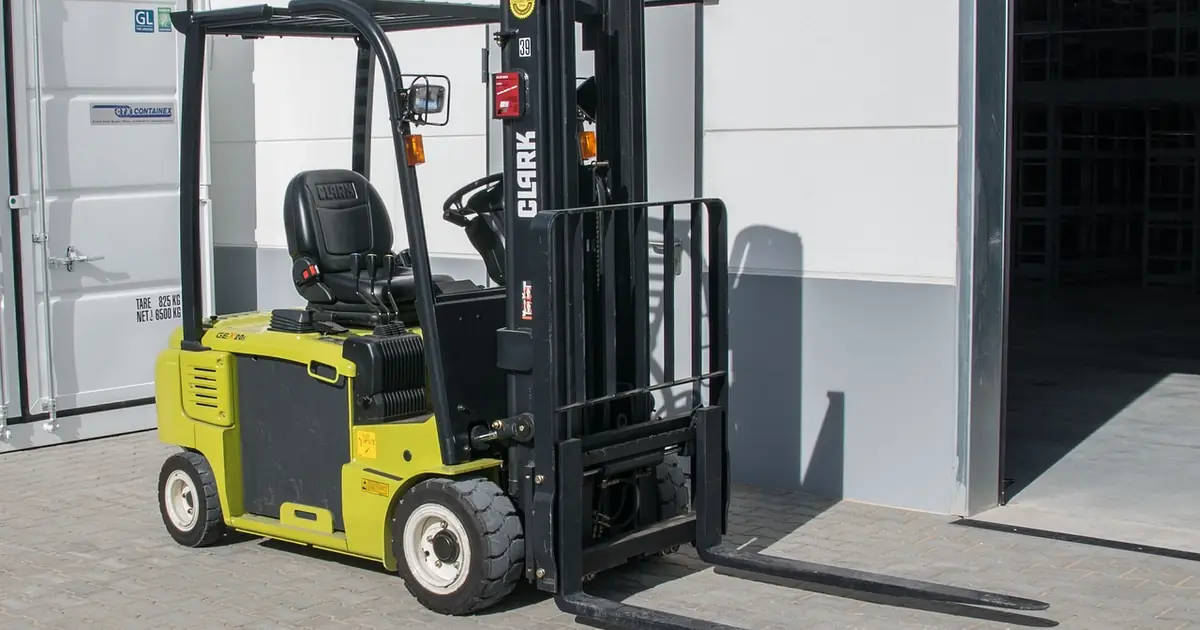
A forklift moving a palletised load in a warehouse

What Is Partial Withdrawal?

Partial withdrawal is the warehouse's most concrete contribution to cash flow: you withdraw what you have sold and leave the rest.

Warehousing and Customs 3 min read

Partial withdrawal means taking the quantity you need rather than withdrawing all the goods in the warehouse at once, and paying duty only on that part. The remainder stays in the warehouse and no new entry procedure is needed.

On high-tonnage shipments this is the practice that eases cash flow the most.

A concrete example

Think of a 500-tonne consignment of steel coil. If you import all of it, the customs duty and VAT on 500 tonnes are paid up front.

If you take it into the warehouse and withdraw the 80 tonnes you process each month, you pay duty on 80 tonnes only. The remaining 420 tonnes wait in the warehouse and no duty arises on them.

How the process works

  • The quantity to be withdrawn is decided and notified to the operator
  • The customs broker files an import declaration for that quantity
  • The duty is paid and customs permits the release
  • The warehouse releases the goods and a weighing and counting report is drawn up
  • The balance is entered in the register and the reconciliation is shared

Why tracking the balance is critical

After every partial withdrawal the balance in the warehouse and the balance in the records must match exactly. The smallest difference grows and comes back at you at the next withdrawal or count.

A serious operator shares the balance reconciliation in writing at every withdrawal; that document is also useful to your customs broker.

Which products it is used for most

Partial withdrawal stands out for products with a high unit value and a large tonnage: steel items such as coil, rebar, billet, sections and pipe are the typical examples.

The same logic applies to machine parts, chemicals and packaged consumer goods.

Frequently Asked Questions

Questions About This Page

Do I pay an extra charge for a partial withdrawal?

Because every release involves handling and paperwork, there is usually a charge per operation. You should see it as a line in the quotation; there should be no surprises.

How many times can I make a partial withdrawal?

There is no limit on the number; it can be repeated as often as needed. A declaration and a balance reconciliation are made at each withdrawal.

Does the remaining stock need to re-enter the warehouse?

It does not. The remaining quantity is already waiting under the warehousing procedure; only the balance is updated.

Which quantity is the duty calculated on in a partial withdrawal?

You pay duty only on the quantity you actually release; no duty arises on the balance still held in the warehouse. That is where the cash-flow benefit comes from: payment is made piece by piece, as the goods leave. Have the applicable rate and the form of declaration confirmed by your customs broker before each release.

What happens if the balance does not match the warehouse records?

The difference is clarified before the next withdrawal: the physical quantity is compared with the stock ledger and the weighing report, and the source of the gap is traced. Warehouse stock and recorded stock must match exactly; the smallest gap comes back larger at the next count. Confirm with your customs broker how the difference is closed and whether it carries an administrative consequence.

When is partial withdrawal not practical?

Partial withdrawal is not practical for single, indivisible units, nor for goods that must be re-weighed, re-measured or repacked at every release. In the first case there is nothing to split and the goods leave in one movement; in the second, the handling burden can eat up the cash advantage of drawing in pieces. Before deciding, calculate the expected number of releases together with the cost per operation.

Can't find your question here? Warehouse Guide answers instantly on 23 topics — or write to us directly.

Do you need help with this?

Tell us about your cargo or your product requirement and we will talk through how what this article describes applies to your own case.