
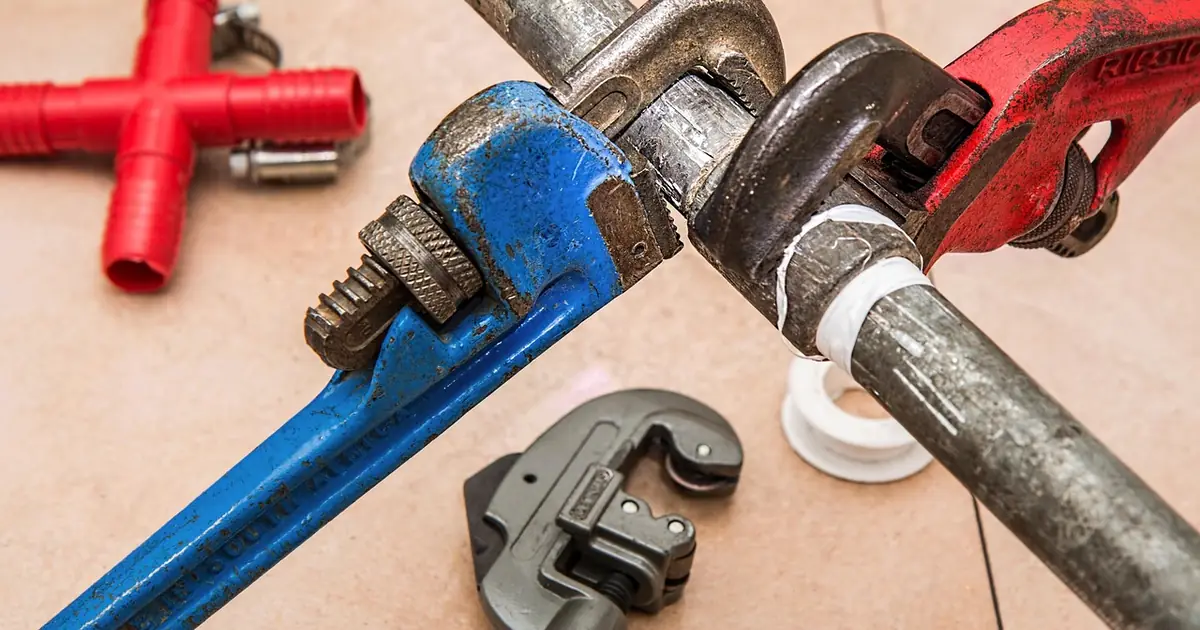
Galvanised steel pipes

What Is Galvanised Pipe?

The classic solution for water and fire lines. Why does the coating thickness matter?

Steel Product Guide 2 min read

Galvanised pipe is produced by coating steel pipe with zinc using the hot-dip method. The zinc layer protects the pipe against internal and external corrosion.

Thanks to that protection it is the standard material for water installations, fire lines and structural work that stays outdoors.

Technical specifications

Galvanised pipe — stock and supply range
Diameter1/2" – 6" (21.3 – 168.3 mm)
Wall thickness2.00 – 5.00 mm
CoatingHot-dip zinc, min. 55 µm
StandardEN 10255
Length6,000 mm
UseWater, fire lines, outdoor installations

Why coating thickness is critical

The coating is specified as a minimum of 55 µm. That thickness also protects the inner surface of the pipe, delaying corrosion in contact with water.

On thinly coated products the inner surface deteriorates early and the line develops blockage, colour and taste problems. That is why a coating certificate should be requested.

Where it is used

  • Drinking and clean water installations
  • Fire suppression lines
  • Railings and posts exposed outdoors
  • Agricultural irrigation lines

Threaded ends and installation

In plumbing work threaded ends speed up installation; connections can be made without welding.

When the pipe is cut, the exposed edge needs protecting; depending on the section size, the gap in the zinc can be the start of corrosion.

Frequently Asked Questions

Questions About This Page

Is galvanised pipe compulsory on a fire line?

Fire line material is determined by the project and the code in force. Follow your project engineer's specification.

Can I weld galvanised pipe?

During welding the zinc vaporises, so the protection is lost and a health risk arises. If welding is necessary, proper ventilation and subsequent surface protection are needed.

How do I verify the coating thickness?

The coating value is stated on the certificate that comes with the product. Ask before ordering which certificate will come.

What should I do if I cut a threaded galvanised pipe on site?

The cut end loses its zinc coating, so do not install it before that surface is protected. A shortened pipe has to be re-threaded and deburred, and the exposed cut edge and thread area sealed with a suitable repair coating. If your lengths are already fixed, state them when ordering; that keeps site cutting to a minimum.

What details should I give when asking for a galvanised pipe quotation?

Nominal size, wall thickness, length and end type (plain or threaded) are enough, plus what you expect from the coating. Without these, products sold under the same name get mixed up and the quotation comes back wrong. We do not publish prices because steel is priced daily; once we have the sizes we share that day's figure and the lead time.

Can I connect galvanised pipe directly to copper pipework?

Direct contact between dissimilar metals accelerates galvanic corrosion, so connecting galvanised pipe straight to a copper line is not advisable. Where a connection is unavoidable an insulating transition fitting is used; your project engineer or the mechanical specification decides which solution applies. If you are extending an existing line, have it confirmed before installation.

Can't find your question here? Warehouse Guide answers instantly on 23 topics — or write to us directly.

Do you need help with this?

Tell us about your cargo or your product requirement and we will talk through how what this article describes applies to your own case.