
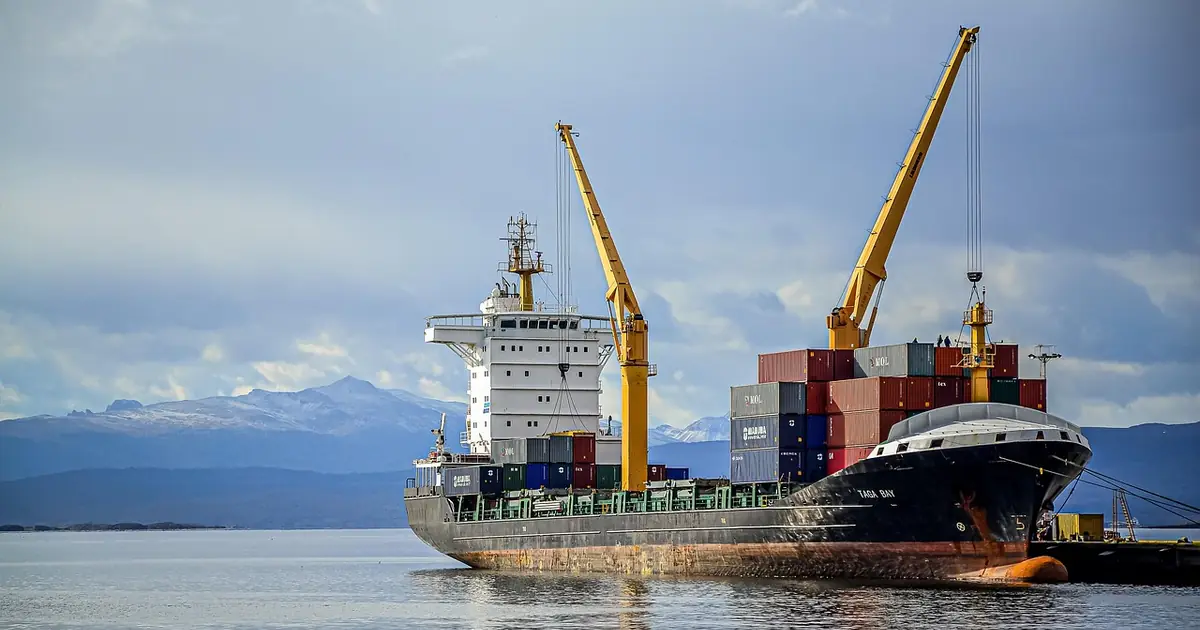
Cargo being loaded onto a ship at a port

What Is Re-Export?

If goods go on to another country without entering Türkiye, that is called re-export. The warehouse is at the centre of it.

Foreign Trade and Transit 3 min read

Re-export is sending goods that have not entered free circulation in Türkiye on to another country. Because the goods are not imported, no import duty arises in Türkiye.

The warehouse is the natural centre of this operation: the goods arrive, wait, are split if necessary, and are re-exported.

When it is used

  • When a consignment arrives whose buyer is not yet confirmed
  • When a large consignment is to be distributed to several countries
  • When the customs process in the destination country drags on
  • When cargo arriving by sea is to be transferred to road transport

The process

The goods are taken into the warehouse with a warehouse declaration. Once the buyer and the shipment are settled, a re-export declaration is made and the goods leave with customs permission.

Weighing and counting are repeated on exit and the balance is updated. Partial shipment is possible and the remaining quantity stays in the warehouse.

The difference between re-export and transit

In transit the goods merely pass through Türkiye; they usually do not stop, or stop only briefly. In re-export the goods are taken into the warehouse, wait for an indefinite period and are then exported.

In practice the two are used together: the goods arrive at the warehouse in transit, wait, and are then re-exported.

Points to watch

The destination country's paperwork requirements should be known from the outset; some countries require a certificate of origin, analysis or conformity.

Packaging and labelling can also be completed at the warehouse during the wait, which solves problems at the border in advance.

Frequently Asked Questions

Questions About This Page

Is there a VAT refund on re-export?

Because the goods are not imported, import duty and VAT do not arise, so refunds work differently. Have your financial adviser and customs broker assess your own position.

Can I export part of the consignment and import the rest?

You can. Different procedures can be applied to different quantities of the consignment in the warehouse, which is why tracking the balance is critical.

Is there a time limit on re-export?

There is no time limit under the warehousing procedure; a 30-day period runs after a declaration is registered.

When is re-export the better choice instead of moving the goods in transit?

Re-export is the better choice when the buyer, the quantity or the destination country is not yet fixed. Goods placed in the warehouse can be split while they wait and shipped to different buyers separately. If the route and the buyer are settled from the start, moving the cargo straight through in transit is faster.

What happens if the buyer or the destination changes while the goods are in the warehouse?

The buyer and the destination country can change while the goods wait in the warehouse; this is the main reason re-export is used. Because the goods are never imported, the paperwork for the new buyer is prepared at the exit stage. If a change is needed after the declaration has been registered, have your customs broker confirm the procedure.

What is the origin of goods that are re-exported?

The origin of the goods does not change while they wait in the warehouse; even though they leave via Türkiye, the country of origin stays the country where they were produced. Buyers usually ask for proof of origin, so keep the original entry paperwork until the shipment is closed. Agree with your buyer and customs broker before shipping which document will be required.

Can't find your question here? Warehouse Guide answers instantly on 23 topics — or write to us directly.

Do you need help with this?

Tell us about your cargo or your product requirement and we will talk through how what this article describes applies to your own case.