
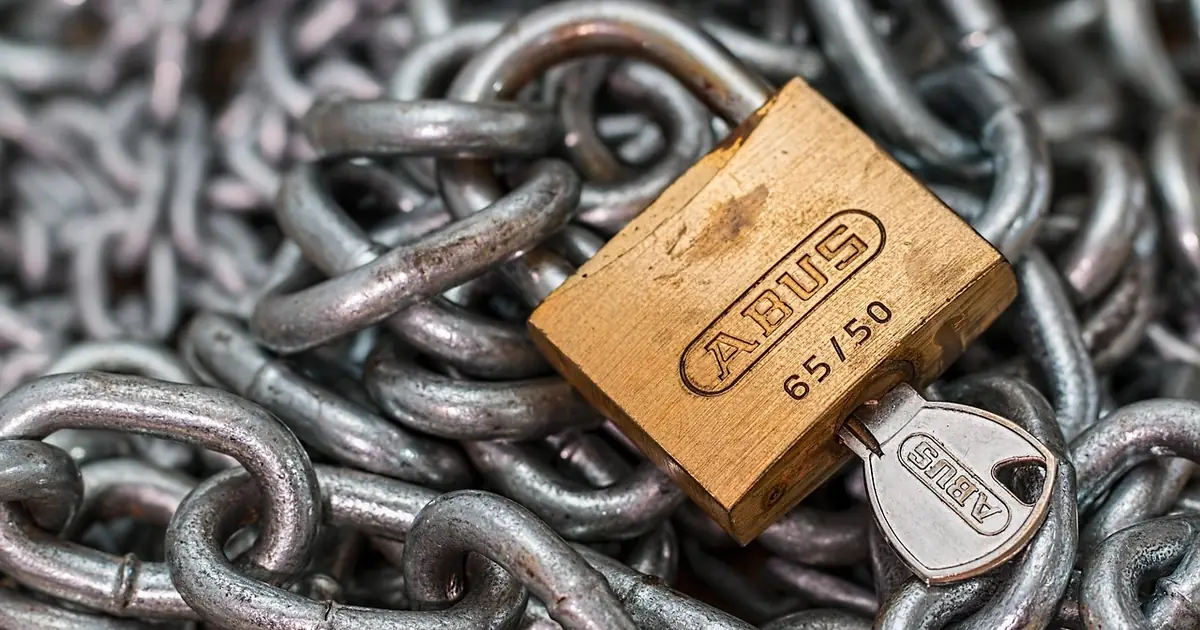
A security seal on a container

Customs Seals and Warehouse Inspection

What separates a bonded warehouse from a depot is not a lock but a seal and a record. How does inspection proceed?

Warehousing and Customs 3 min read

A bonded warehouse is under the supervision of the customs administration: entries and exits require permission and the area can be sealed. The seal is the physical counterpart of that supervision.

For the owner of the goods this regime is not a restriction but a guarantee; it documents that the area has not been opened without the administration's permission.

What the seal is for

The seal shows that the closed area or the means of transport has not been opened without permission. A broken or mismatched seal is the first finding that triggers an examination.

On container shipments the seal number is written on the transport document; on delivery it is checked that the number matches the document.

What is examined in an inspection

  • Whether the inbound–outbound register matches the actual stock
  • Whether the declarations and reports are complete
  • Whether the seal and area security regime is working
  • Whether handling operations were carried out within the permission
  • Whether the rules on time limits have been followed

Why record discipline matters so much

The core of an inspection is the record. The difference between the quantity found in a count and the quantity in the records must be zero; every difference has to be explained.

That is why in a good warehouse the records are not something prepared when an inspection arrives but something kept every day.

What you should do as the owner of the goods

Ask for your stock reports regularly and compare them with your own records. If there is a difference, ask about it before it grows.

Get the balance reconciliation in writing on partial withdrawals; that document is the ground both you and your broker stand on.

Frequently Asked Questions

Questions About This Page

What happens if the seal is broken?

The situation is established in a written report and notified to the customs administration. Action follows according to the outcome of the examination.

Can I enter the warehouse whenever I want?

Entry is recorded and subject to permission. You can see your goods by appointment; there is no free coming and going.

How often is inspection carried out?

The frequency is at the administration's discretion. In a well-run warehouse an inspection requires no separate preparation, because the records are already up to date.

Which documents can be requested from me as the owner of the goods during an inspection?

Usually you are asked to show that your warehouse declaration agrees with your commercial and transport documents; the stock record itself is kept by the warehouse operator. What is examined is not the number of papers but whether record and document describe the same goods. Which documents apply depends on the procedure, so confirm it with your customs broker.

What happens if the records and the physical stock do not match?

The cause is traced through the records first: a counting error, mixed-up markings, or a movement that was never entered. If the cause cannot be found and the record cannot be corrected, the situation is put in a written report and notified to the customs administration, which decides the outcome. This is why recording every movement the same day protects you more than any later explanation.

How can I tell before signing a contract that a warehouse is ready for inspection?

The most practical test is to ask for the current stock report and see how long it takes to reach you; a warehouse that is ready hands it over without special preparation. Also ask how inbound goods are entered in the records and who carries responsibility inside sealed areas. If the answers are vague, the inspection day will be vague too.

Can't find your question here? Warehouse Guide answers instantly on 23 topics — or write to us directly.

Do you need help with this?

Tell us about your cargo or your product requirement and we will talk through how what this article describes applies to your own case.