
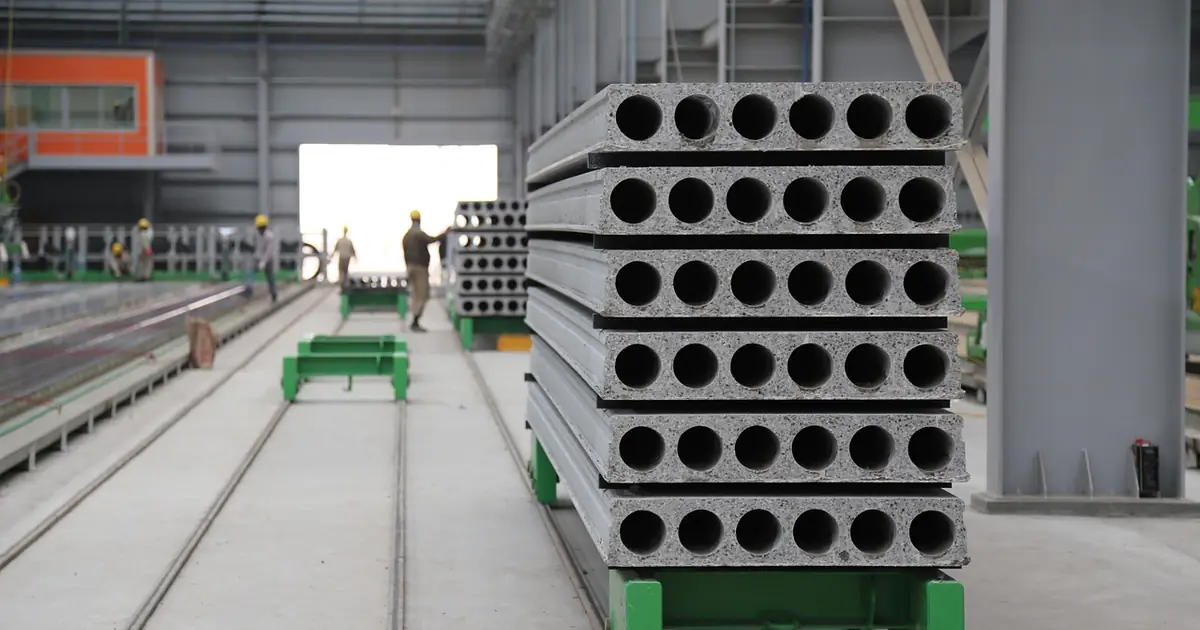
With steel products, stacking determines both occupational safety and product quality. Incorrect stacking produces two outcomes: accidents from toppling, and loss of value from surface damage.
Correct stacking has three rules: a suitable floor, limited height, and interlayers according to the type of product.
Stacking by product type
| Steel coil | Floor stack; chocks or wedges prevent rolling |
|---|---|
| Pre-painted sheet | Interlayers; protected from friction and impact |
| Sections and pipe | In bundles, layered with timber separators |
| Rebar | Separated by diameter and length; kept off the floor |
| Billet | In the open yard, with a limited number of layers |
Floor and height
The floor must be level, sound and able to carry the load. Because point loads in steel are very high, a weak floor produces subsidence and toppling.
Stacking height is limited according to the type of product and the strength of the packaging. "As much as fits" is not a rule.
Using interlayers
Placing separators of timber or a suitable material between layers serves two purposes: it spreads the load and allows the forklift tines to enter.
On painted and galvanised surfaces, separators also prevent friction damage.
Breaking contact with the floor
Moisture in a concrete floor starts corrosion in steel that touches it directly. Contact must be broken with pallets or chocks.
In the open yard this rule is even more critical; nothing is stacked where water collects.