
Handling heavy loads is one of the activities with the highest accident risk. Steel coils, billets and bundles of sections carry a risk of toppling and crushing; their weight does not forgive a mistake.
The way to reduce the risk is not a single measure but a set of arrangements that support one another.
Basic measures
- Limiting stacking heights according to the type of product
- Separating forklift traffic from pedestrian routes
- Making chocks and wedges compulsory for rollable loads
- Checking the levelness and load capacity of the floor
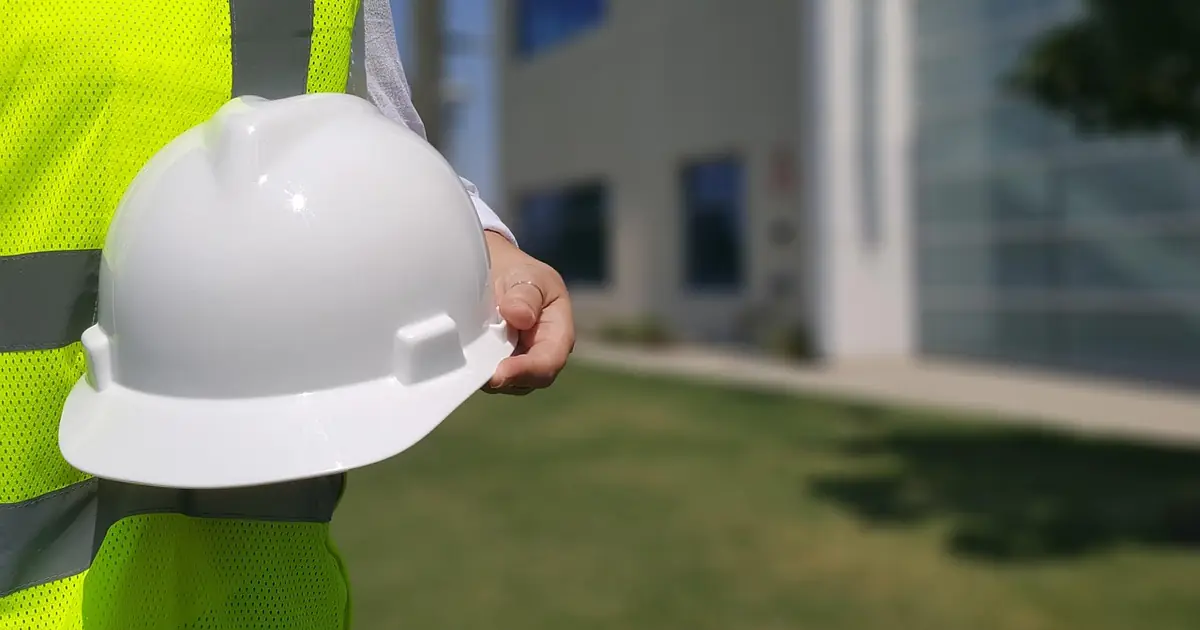
- Personal protective equipment: helmet, steel-toe boots, hi-vis vest
- Regular training and drills for the team
Using forklifts and cranes
The forklift is the equipment most often involved in warehouse accidents. Manoeuvres where the line of sight is blocked, fast turns and overloading are the main risks.
In crane lifts, the choice of sling and lifting point is critical; the centre of gravity of the load has to be determined correctly.
Fire safety
The fire suppression system, the lighting and the perimeter security arrangements have to be in working order.
Under the regulations, flammable and combustible materials may be stored only in warehouses with a special arrangement set up for them.
The link between records and safety
Well-kept stock records serve safety too: in a warehouse where what is where, and at what weight, is known, manoeuvres can be planned.
In a warehouse without records every movement is made on guesswork; that is where the risk grows.