
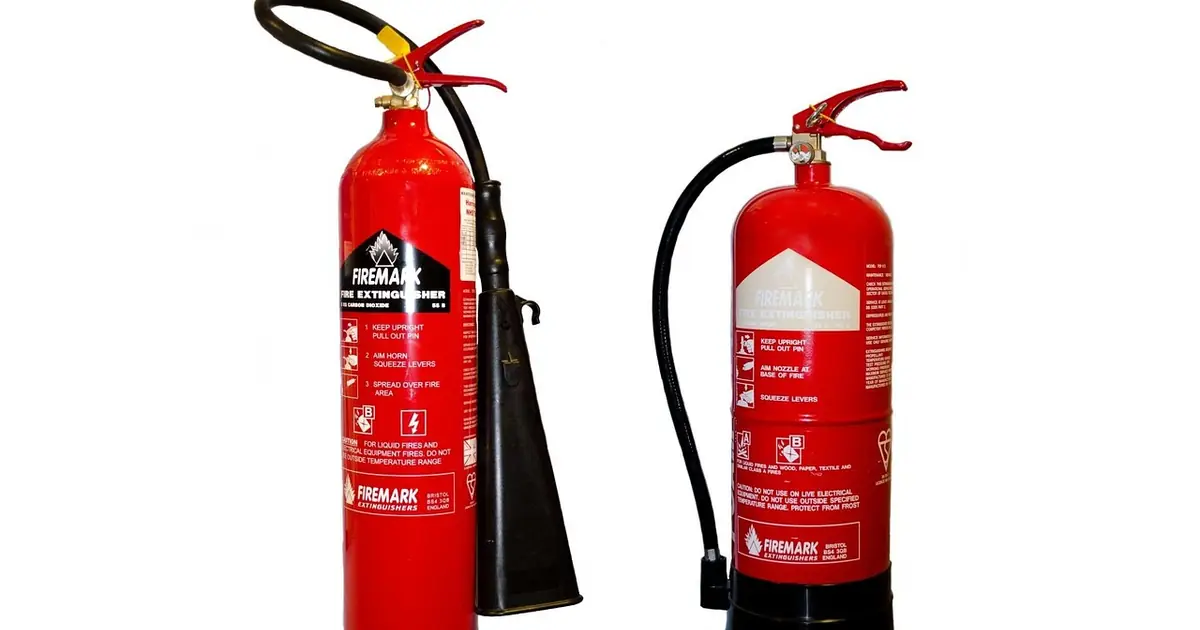
Fire suppression equipment at an industrial site

Can Flammable and Combustible Goods Be Stored in a Warehouse?

The regulations draw a clear line here. If your cargo falls into this class, do not proceed without seeing the certificate.

Warehousing and Customs 3 min read

Flammable and combustible materials may be stored only in general and private warehouses where a special fire and protection arrangement has been set up for them. The regulations draw a clear line on this.

This is an obligation, not a preference. Leaving such a load at a warehouse without the arrangement creates both an administrative sanction and an insurance problem.

Which goods fall into this class

Classification is made according to the chemical properties and hazard class of the goods. Paint, thinner, solvents, fuel derivatives, certain chemicals and pressurised containers are typical examples.

Confirm which class your cargo falls into from the manufacturer's safety data sheet (SDS) and with your customs broker; do not guess.

The arrangement required in the warehouse

  • A fire suppression system and the right type of extinguisher
  • A separate storage section and ventilation
  • Measures against static electricity and sparks
  • A fire safety report and the relevant permits
  • Training for staff specific to this class of goods

What you should ask

Ask the warehouse operator for the fire safety report and the permission issued for this class of cargo. Verbal confirmation is not enough.

Also ask in writing whether the insurance policy covers this class of cargo — many policies exclude dangerous goods.

What happens at a warehouse without the arrangement

Besides the administrative sanction, the real risk is the insurance: in the event of damage the policy may not respond, on the ground of "storage contrary to the regulations".

So an operator who is flexible on this point is offering you risk, not a favour.

Frequently Asked Questions

Questions About This Page

Can any warehouse take flammable goods?

It cannot. They may be stored only in warehouses with a special fire and protection arrangement set up for the purpose.

How do I know whether my cargo is in the dangerous class?

Have your customs broker assess it from the manufacturer's safety data sheet (SDS) and the HS code.

Does my insurance cover dangerous goods?

Many policies exclude dangerous goods. Ask about the scope in writing before signing.

How do I verify that a warehouse is actually equipped for dangerous goods?

Ask in writing before you sign: which dangerous classes the warehouse accepts, how its fire suppression and ventilation are set up, and whether the goods are held in a separate section. A verbal assurance is not enough; the accepted classes should appear in the quotation and in the contract. Have your customs broker confirm that the documents are current.

What happens if dangerous cargo arrives at a warehouse without the arrangement?

The goods are not accepted and wait until another solution is found. That wait usually means extra transport, extra handling and lost time, because the cargo has to be redirected to a facility with the right arrangement. This is why classification belongs before the shipment is planned, not after.

What if only one item in the shipment falls into the dangerous class?

The riskiest item sets the plan for the whole shipment; a single line can change where the load goes. If that item can be separated and sent on its own, the rest can go into an ordinary bonded warehouse. Decide whether separation is possible together with your customs broker and the warehouse operator.

Can't find your question here? Warehouse Guide answers instantly on 23 topics — or write to us directly.

Do you need help with this?

Tell us about your cargo or your product requirement and we will talk through how what this article describes applies to your own case.