
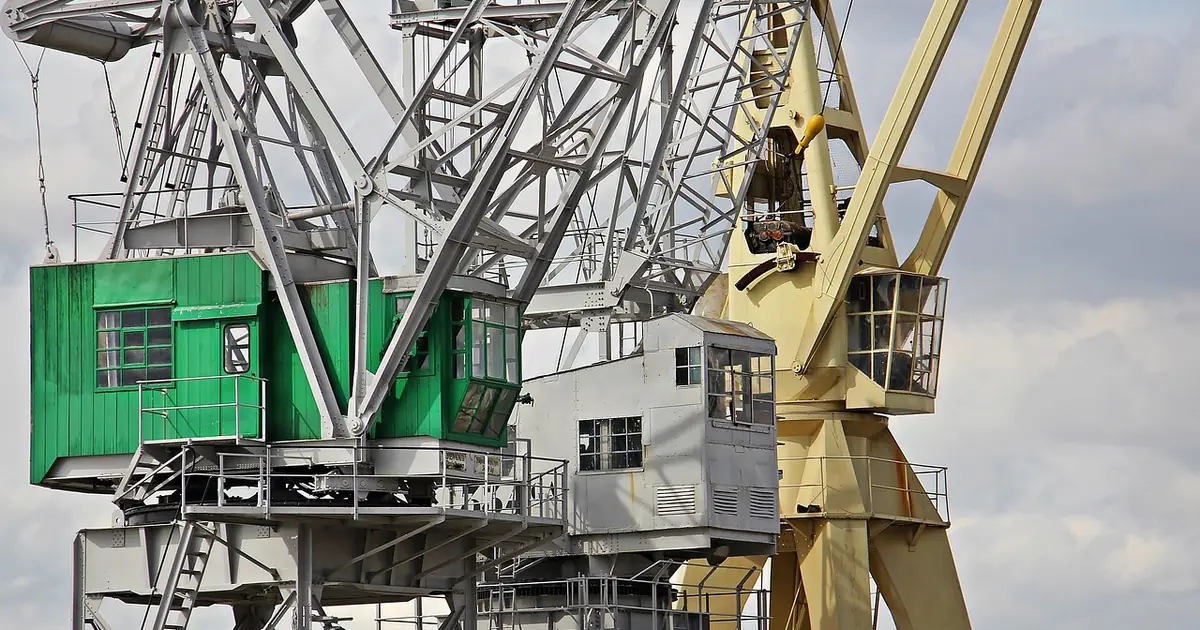
Port cranes and the cargo yard

İskenderun Port and Regional Logistics

Why this region? Because production, the port and the border gates are close together.

Foreign Trade and Transit 3 min read

The Gulf of İskenderun is the region from which a significant share of Türkiye's crude steel output comes. The port, the region's rolling mills and the land border gates towards Syria and Iraq are all a short distance apart.

Having these three gathered in the same region directly reduces transport cost in steel and raw material trade.

What having the three together gains you

  • A short haul from port to warehouse: transport after unloading is cheaper
  • Proximity to rolling mills: haulage on domestic supply falls
  • Proximity to the border gates: export shipments are shorter
  • Three-way flexibility: the same stock can serve the home market or export

Calculating total cost

Looking only at the unit storage price when choosing a warehouse is misleading. Even where the square-metre price looks better at a warehouse based in İstanbul or Kocaeli, road haulage on shipments from this region usually takes that difference back.

The right calculation is: storage + port-to-warehouse haulage + warehouse-to-buyer haulage.

Which cargo it suits

Loads with a low value per unit weight and a high tonnage are the group most sensitive to haulage distance: steel coil, rebar, billet, sections and pipe.

For these products a difference of a few hundred kilometres is felt directly in the cost per tonne.

Points to watch

A regional advantage is not enough on its own; the warehouse's licence, type, code and record discipline should still be asked about.

Location gives you cheap haulage; record discipline is what stops the goods going astray. Look for both.

Frequently Asked Questions

Questions About This Page

Is using a warehouse in this region always cheaper?

If your shipments are connected with this region, usually yes. If your cargo is produced and sold in the Marmara region, no advantage arises.

What does proximity to the port change?

It shortens the haul after unloading and reduces container turnaround time, lowering demurrage risk.

Which border gates are used from this region?

The land gates towards Syria and Iraq are close to the region. Have the current operating status of the gates confirmed before every shipment.

Which cost items should I compare side by side?

Do not compare storage rates alone; put inland haulage from the port, container turnaround time, handling and outbound transport into the same table. An option with a low storage rate can end up more expensive once long inland haulage and delayed container returns are added. Run the calculation with the real distances and dwell time of your own route.

Should an imported container wait at the port or move into a warehouse?

If the wait is short and predictable, keeping the goods at the port is workable; if it is long or uncertain, moving them into a warehouse is easier to manage. Once in the warehouse the goods stay under customs supervision while the container is stripped and returned. Confirm the return terms with your carrier and the customs side with your broker.

What should I clarify before sending cargo to the region?

Clarify four things in advance: the customs status of the goods, the tonnage and handling needs, the direction of the outbound leg (domestic market, port or a border gate) and the expected dwell time. These four points shape both the right storage arrangement and the total cost. Have anything still unclear confirmed by your customs broker before shipping.

Can't find your question here? Warehouse Guide answers instantly on 23 topics — or write to us directly.

Do you need help with this?

Tell us about your cargo or your product requirement and we will talk through how what this article describes applies to your own case.