
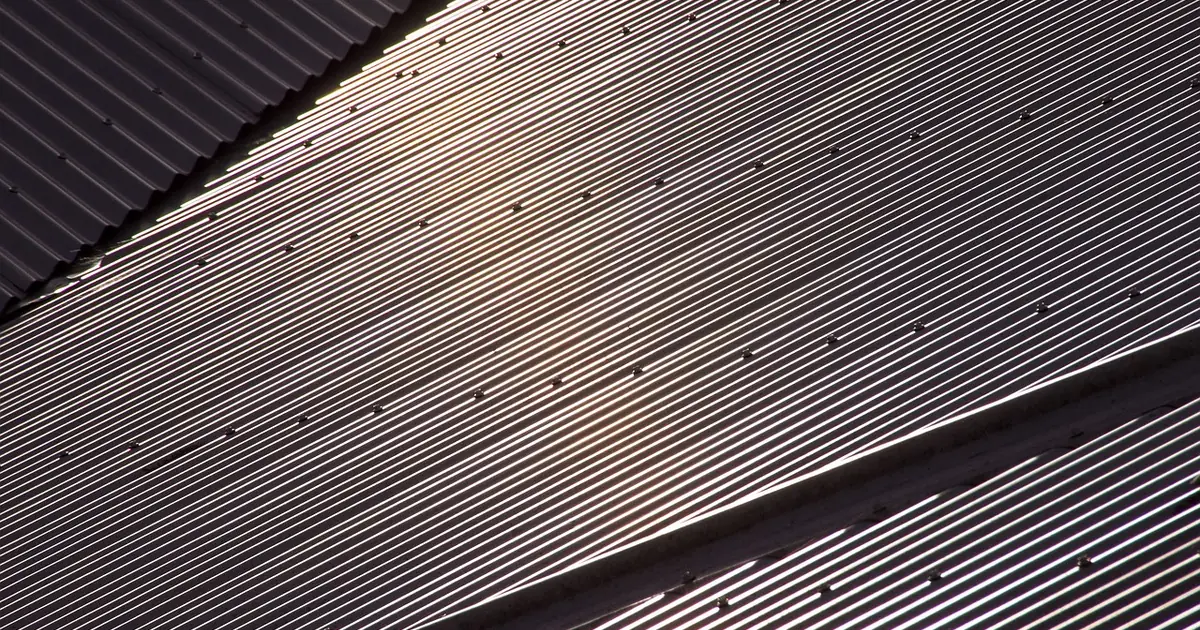
The difference between TR27, TR35 and TR40 is the height of the trapezoid: as the number rises, the profile gets taller, the second moment of area increases and the sheet can span further.
The right choice of profile depends on three variables: purlin spacing, the load coming onto it, and the sheet thickness.
What each profile suits
| TR27 | Short spans, façade cladding, light roofs |
|---|---|
| TR35 | Medium spans; the most common roof profile |
| TR40 | Long spans, high snow loads, heavy industrial roofs |
Its relationship with thickness
Thickness ranges from 0.40 to 1.00 mm. On the same profile, greater thickness increases load capacity; but the effect of thickness is not as strong as that of profile height.
In other words, over a long span a thin TR40 usually performs better than a thick TR27.
Who makes the choice
The choice of profile and thickness belongs to the structural calculation for the project. Snow load, wind load and purlin spacing all enter the calculation.
Our job as supplier is to provide the profile and thickness determined by that calculation correctly; we do not substitute for the calculation.
Choosing the surface
Galvanised trapezoidal sheet is economical and durable; pre-painted (PPGI) trapezoidal sheet gives colour and additional corrosion protection.
In coastal regions and chemical environments a higher zinc coating class (Z200 and above) is preferred.