
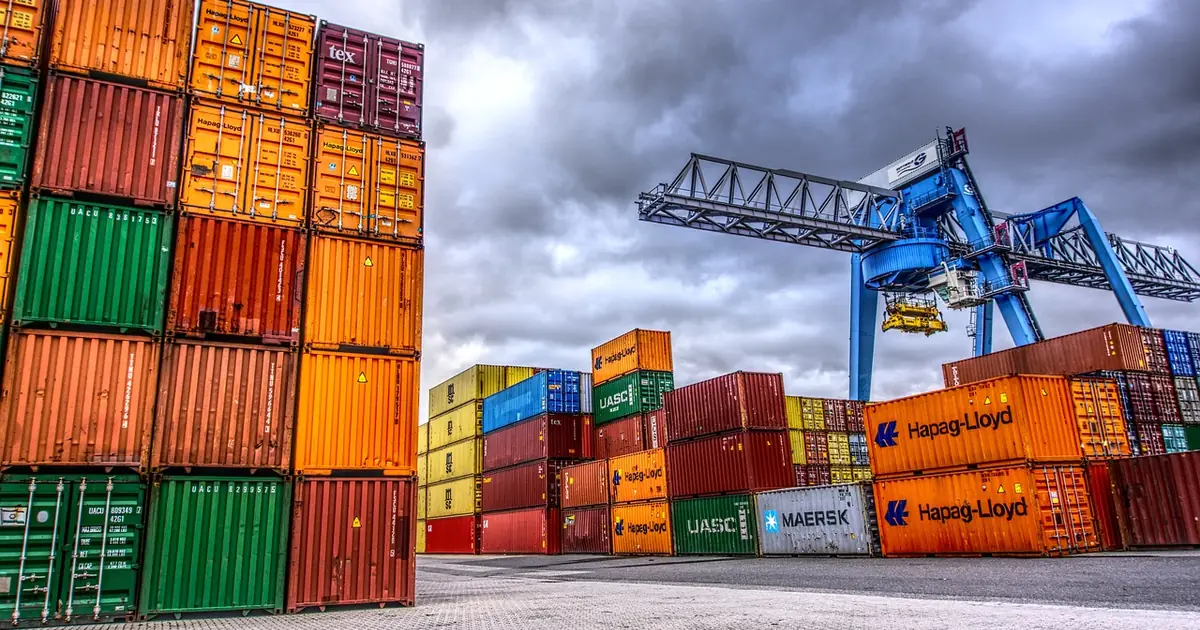
Demurrage is the charge for a container that exceeds its free time inside the port area. Detention is the charge for delay in returning the container empty after it has left the port.
They are separate charges and can both arise on the same shipment. A large share of unexpected import costs comes from these two lines, and both work on a tariff that escalates with time.
The difference in one table
| Where it arises | Demurrage inside the port, detention outside it |
|---|---|
| What is charged for | Demurrage: occupying the yard. Detention: holding the container |
| Paid to | Demurrage usually to the port or line agent, detention to the line agent |
| When it stops | Demurrage when the container leaves the yard, detention when the empty is returned |
| Free time | Defined in days and varies by contract |
How free time works
The carriage contract sets a period of free time during which no extra charge arises. Once it expires a daily tariff begins, and in most tariffs the rate rises in steps: lower for the first days, markedly higher thereafter.
Because of that structure, a week of delay costs more than seven times the first daily rate. Keeping the delay short matters more than the individual days.
Why delays happen
- Missing or incorrect documents - the most frequent cause
- Being selected for customs examination and waiting for a slot
- The importer arranging warehousing or haulage too late
- Payment or letter of credit processes running long
- Permits or certificates from other authorities arriving late
- Congestion at the empty container return depot
How a bonded warehouse reduces the cost
While the container sits in the port, demurrage keeps running. Once the goods are taken into a bonded warehouse the container can be unpacked and returned, so the container clock stops while the goods continue to wait under customs supervision.
That gives the importer two things: the daily container cost stops, and the time available to decide on the goods lengthens. Duty liability also remains deferred until the goods are withdrawn.
What can be done in advance
- Complete documents and send them to the broker before the vessel arrives
- Establish how many days of free time the contract allows
- Plan on the assumption that an examination may be required
- Book unloading and haulage slots in advance
- Where processes may run long, plan from the outset to move the goods into a bonded warehouse