The outward processing procedure allows goods that are in free circulation in Türkiye to be sent abroad temporarily to be processed, renewed or repaired, and then brought back in their processed form.
It is the opposite of inward processing: there the input arrives from abroad and the product is exported, here the goods leave and return. The main benefit is that duty is charged not on the whole value of the returning goods but only on the value added abroad.
When it is used
- Machinery or equipment sent to its manufacturer for repair or overhaul
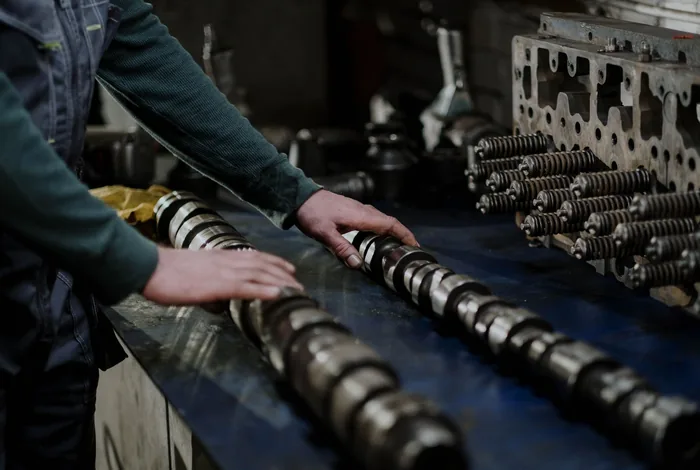
- Semi-finished goods sent abroad for an operation such as coating, cutting or heat treatment
- A part sent abroad for replacement under warranty
- Moulds, jigs or samples that are processed and returned
Nothing happens without authorisation
The procedure rests on an authorisation obtained in advance. It defines the goods to be sent, the operation to be carried out, the expected rate of yield and the time limit. If the goods leave without authorisation, the procedure cannot be used on return and full import duty arises.
The most debated item in the application is the rate of yield: how much processed product will be obtained from the quantity sent. If the rate is unrealistic, the quantities will not balance at the discharge stage.
How duty is calculated
As a rule, duty on the returning goods is calculated on the value added abroad: labour, the processing fee and any material added. The value of the goods themselves is not taxed again.
Repairs fall into two cases. Where the repair is charged for, the repair cost is taken as the basis; where it is free of charge under warranty, relief may apply if the conditions in the legislation are met. Establish which case you are in from the start.
Managing the time limit
The authorisation sets a period within which the goods are expected to return. Ask for a period that matches the real schedule of the operation; the queue time at the supplier abroad is usually left out of the calculation and the period turns out to be too short.
Exceeding the limit can mean losing the benefit of the procedure. If a delay is foreseeable, apply for an extension before the period expires.
The link with the bonded warehouse
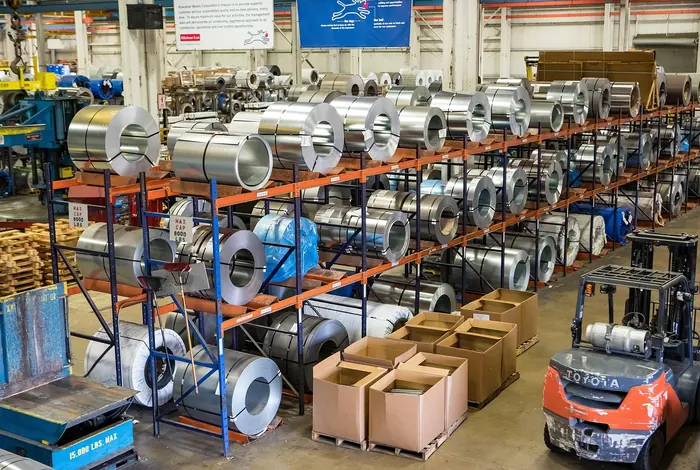
Returning goods can wait in a bonded warehouse until the import formalities are complete. Missing paperwork is then dealt with in a closed facility rather than in the port yard, and the cost accumulating on the container stops.
A warehouse is also useful before dispatch: parts collected from different sites are consolidated in one place and shipped together.