The most common dispute in sheet orders is this: the invoice is based on theoretical weight, but the material weighs less on the scale. In most cases this is not sharp practice — it is tolerance.
Rolling cannot be done without dimensional deviation. The limits of that deviation are defined in the standards; if the order does not refer to them, the two sides expect different things.
Where tolerances apply
| Thickness | Permitted deviation from nominal thickness — affects weight directly |
|---|---|
| Width | Deviation arising from edge trimming |
| Length | Cutting allowance in cut-to-length sheet |
| Flatness | Deviation of the surface from a plane (waviness) |
| Edge camber | Deviation of the long edge from a straight line |
What theoretical weight is, and why it does not match
Theoretical weight is calculated from the nominal dimensions and the density of steel. Actual weight comes from the real thickness after rolling. If the thickness sits below nominal, the same square metre yields fewer kilograms.
The contract must therefore state the basis of sale: theoretical weight or actual weighing? Both are used, but mixing them creates the gap. We explained the weight calculation itself in a separate article.
What the standards say
Tolerance limits for hot rolled flat products and for cold rolled sheet are defined in the relevant EN standards. The limits change with thickness and width; where a narrower tolerance is required, it must be stated as an order condition.
In galvanised products the coating weight also enters the table: the higher the coating class, the higher the total weight. We covered coating classes separately.
What to put in the order
- Nominal dimensions (thickness × width × length) and grade
- Tolerance class or the standard to be applied
- Whether the sale is on theoretical weight or actual weighing
- Flatness and edge requirements, and any narrow tolerance request
- Surface condition (oiled or dry, acceptable scratch limit) and packing
Checking on delivery
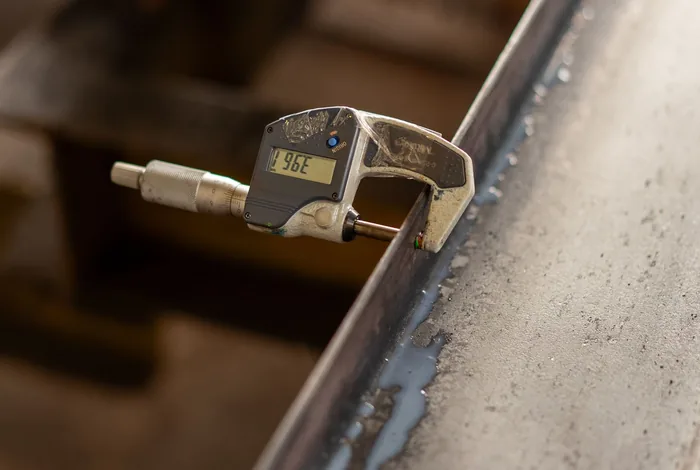
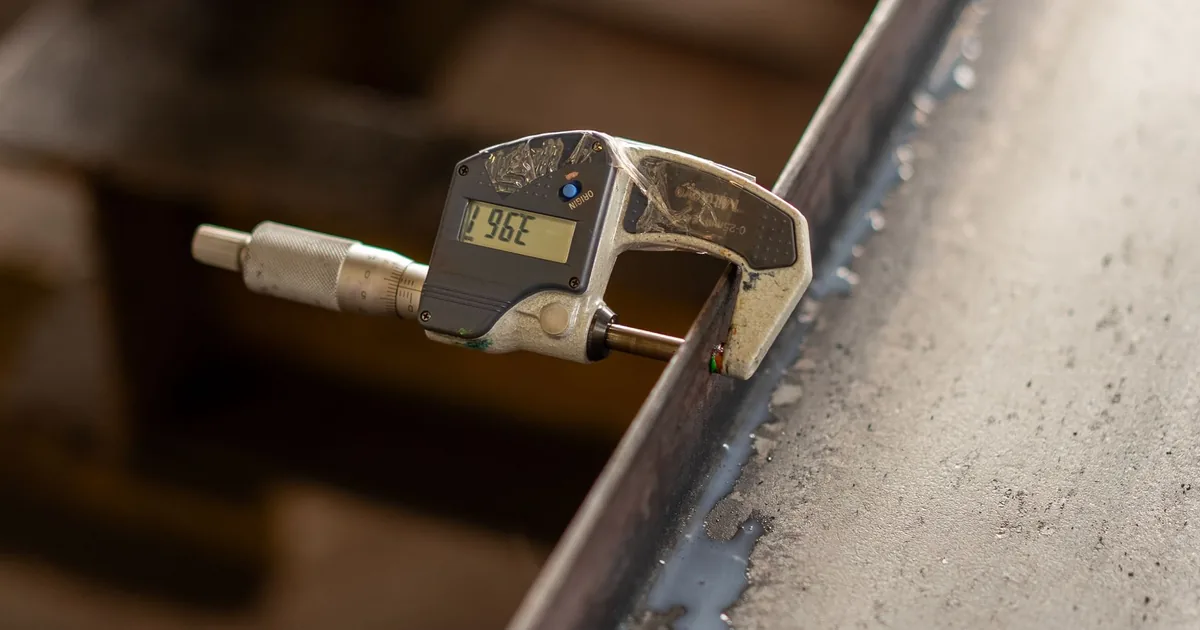
Measuring thickness with a micrometer at several points, looking at different parts of the coil and keeping the weighbridge ticket is a simple but effective check.
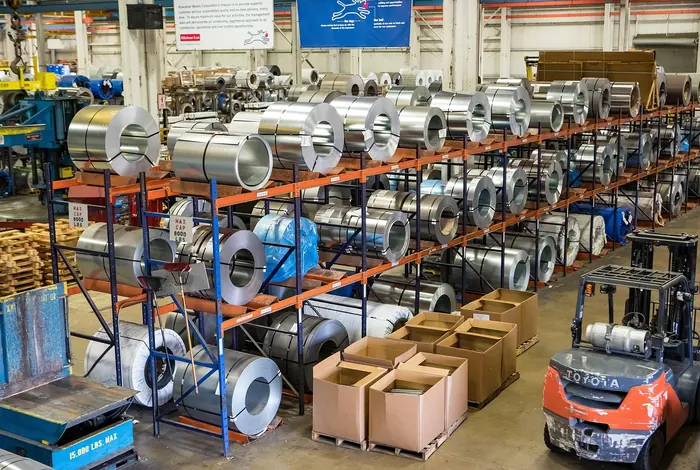
For goods waiting in a bonded warehouse the check can be made before withdrawal. If a deviation is found it should be recorded in a report; a verbal objection made later carries no weight.