Listen to this page
0:005:06 left
CBAM is the European Union's Carbon Border Adjustment Mechanism (SKDM in Turkish). It puts a price on the carbon emitted in producing goods imported into the EU, such as iron and steel, aluminium, cement, fertilisers, electricity and hydrogen, similar to what producers inside the EU pay under the emissions trading system (EU ETS).
The mechanism was set up by Regulation (EU) 2023/956. During the transitional period from 1 October 2023 to 31 December 2025 there was reporting only; from 1 January 2026 the definitive period began. For Türkiye, which sells significant volumes of steel to the EU, this means a new cost item that feeds directly into export prices.
What changed in 2026
- Authorised CBAM declarant: in the definitive period, an importer or indirect customs representative must be authorised in order to import covered goods into the EU above the threshold. Those who applied by 31 March 2026 could continue importing while their application was pending.
- 50-tonne threshold: under amending Regulation (EU) 2025/2083, no obligation arises if the total net mass of iron and steel, aluminium, fertilisers and cement an importer brings in during a calendar year does not exceed 50 tonnes. If the threshold is exceeded, all of that year's imports are covered; electricity and hydrogen do not benefit from it.
- Annual declaration and certificates: the CBAM declaration and surrender of certificates for a year's imports are due by 30 September of the following year, so the first deadline, for 2026 imports, is 30 September 2027. Sales of certificates through the common central platform are expected to start on 1 February 2027.
- Price: the certificate price is linked to EU ETS auction prices; a quarterly average is published for 2026 and a weekly price from 2027.
How the charge is built
The number of certificates to surrender is based on the embedded emissions of the product, that is the tonnes of CO₂ equivalent released in its production. For iron and steel products, direct emissions are counted in the definitive period.
Free emission allowances given to EU producers are being reduced step by step from 2026, and the CBAM charge phases in to the same extent. Because only 2.5 per cent of free allocation is removed in 2026, the first year's burden stays relatively limited; the share rises every year until free allocation ends completely in 2034.
A carbon price actually paid in the country of origin can be deducted if it is documented. In Türkiye, Climate Law No. 7552 (Official Gazette, 9 July 2025) laid the legal foundation for an emissions trading system, with the details being set by secondary legislation. A carbon price paid at home could in future become an item deductible from the charge in the EU.
Actual data or default values
The EU importer can declare embedded emissions in two ways: with the producing installation's actual emissions data, or with the default values published by the European Commission. Where actual data are used, the emissions must be verified by an accredited verifier; default values are set conservatively and therefore often lead to a higher charge.
This is why EU buyers are asking Turkish suppliers for installation-level emissions data. The communication template published by the Commission is widely used to pass data from producer to buyer.
Which steel products are covered
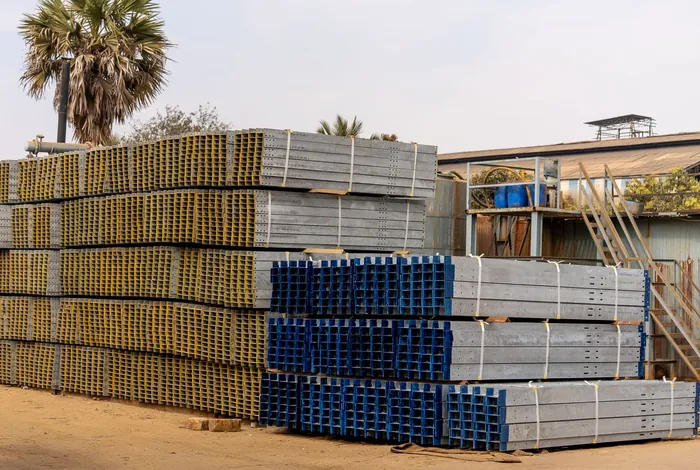
Scope is defined by Combined Nomenclature codes: most iron and steel products in chapter 72 — semi-finished products, hot-rolled and coated flat products, bars and sections — plus certain tubes, sections and fasteners in chapter 73. To see whether your product is covered, compare the first eight digits of its export tariff code with the list annexed to the CBAM Regulation.
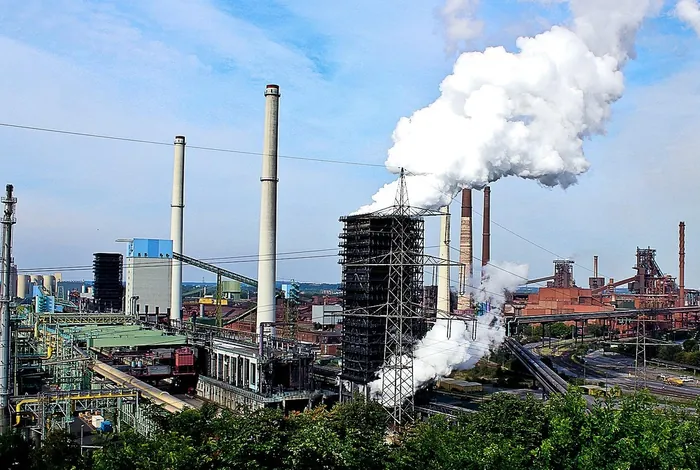
Emissions accumulate along the value chain, from semi-finished products such as billets to reinforcing bar; the embedded emissions of a finished product include those of the intermediate products used. That is why the difference in emissions between electric arc furnace and blast furnace routes now feeds straight into price.
What firms selling steel to the EU should do
- Work out the CN code of every item you produce or supply and list whether it is covered.
- Ask the producing installation — your supplier, if it is not your own plant — for installation-level emissions data and its verification plan.
- Confirm whether your buyer exceeds the annual 50-tonne threshold and whether it is an authorised declarant.
- Write into the sales contract the obligation to provide data and how the CBAM cost will be shared.
The rule is no different for goods in a bonded warehouse: CBAM looks not at the port or warehouse the goods come from but at the installation where they were produced. Even if third-country steel is re-exported to the EU from a bonded warehouse in Türkiye, the emissions data are requested from the installation of origin. Carbon cost has now become a permanent addition to the factors that drive steel prices.